If you’ve ever stood in front of your closet wondering how to make that almost cute vintage piece actually wearable, this one’s for you.
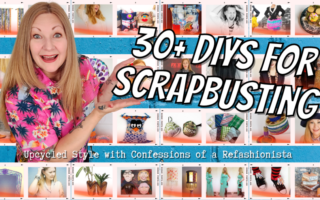
I just released a brand new refashion tutorial (hello, cropped blazer from a vintage dress ????) and stitched it into a jam-packed compilation featuring over 20 of my best vintage upcycles. Think of it as your ultimate vintage thrift flip guide: no patterns, no pressure, just pure DIY magic.
✂️ Here’s what you’ll find inside:
-
Quick & clever accessories – lace necklaces, painted shoes, hankie scarves and more
-
Dress transformations – from flapper-inspired to fugly-fabulous glow-ups
-
Shirt and blouse refashions – adding ruffles, bows, and shape
-
Blazer & coat hacks – including a few you won’t believe started as robes
-
A show-stopping finale – where I turned one vintage dress into two epic pieces: a shortened maxidress and lace bell bottoms from the scraps!
And yes, it all starts with a brand new tutorial where I upsize and reshape a vintage dress into a cropped blazer I’ll be wearing on repeat. Watch the video see that transformation up close ????
???? Ready to take your refashion game to the next level?
-
Grab my Wardrobe Refresh Masterclass to learn how to spot vintage, audit your closet, and start building a wardrobe that actually works for YOU
-
Want a surprise outfit curated by me, made from thrifted & handmade treasures? Snag your own Refashionista Box
-
Or just want to peek inside my closet of preloved + refashioned items for sale? Shop my closet
Whether you’re new to refashioning or a longtime member of the #RefashionistaRevolution, this video is your sign to grab those thrifted pieces you’ve been avoiding and make them yours.
Perfection is the enemy of good enough, so pick up those scissors and get started!

Some of those early threads intended for use on synthetic fabrics were indeed monofilament. Where the little ends stuck out, they were terribly itchy/prickly and uncomfortable. These were often colorless so the same thread could be used on different-colored garments. I might still own a spool of this “invisible” monofilament thread. It was a pain to sew with either by hand or machine.
Probably after enough people complained about the prickly monofilament thread, a later kind of serger thread which may still be available was developed, called “woolly nylon.” It fluffs out into many very fine strands when raveled, but in a seam it looks more like ordinary thread. It is flexible and soft. You need a special tool to thread it onto a serger.
Most serger thread available to us home sewists nowadays is a slightly thinner and flimsier version of ordinary sewing thread. It comes on cones and many of us use it for sewing on a regular sewing machine as well as on a serger.
Thanks for that amazing explanation ???? it’s definitely like having a fishing line seam ????????