Fashion Revolution recently commissioned a survey of 5,000 people aged 16-75 in the five largest European markets, including Germany, United Kingdom, France, Italy and Spain, to find out how supply chain transparency and sustainability impacts …
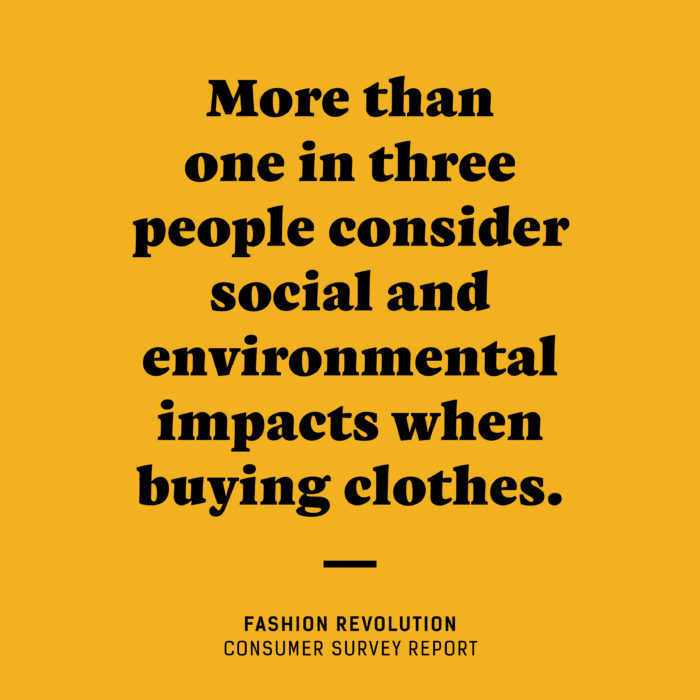
Fashion Revolution recently commissioned a survey of 5,000 people aged 16-75 in the five largest European markets, including Germany, United Kingdom, France, Italy and Spain, to find out how supply chain transparency and sustainability impacts …

Grab a cup of tea, get cozy and enjoy my Thrift Babes Ecofashion Vintage Style Interview + Studio Tour & Thrift Haul with SammyDTV!
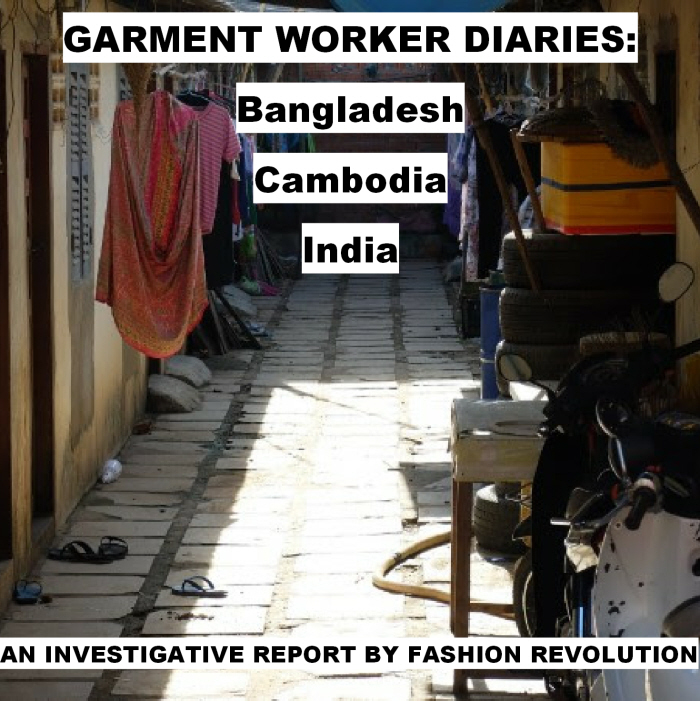
The Garment Worker Diaries project undertaken by Fashion Revolution gives the most comprehensive picture yet of the living and working conditions faced by female garment workers in Bangladesh, Cambodia and India. Over 12 months, researchers visited …

The second issue of the bi-annual Fashion Revolution Fanzine: Loved Clothes Last is now available! This fab ‘zine explores the issue of waste and mass-consumption in the fashion industry and hopes to inspire you to …
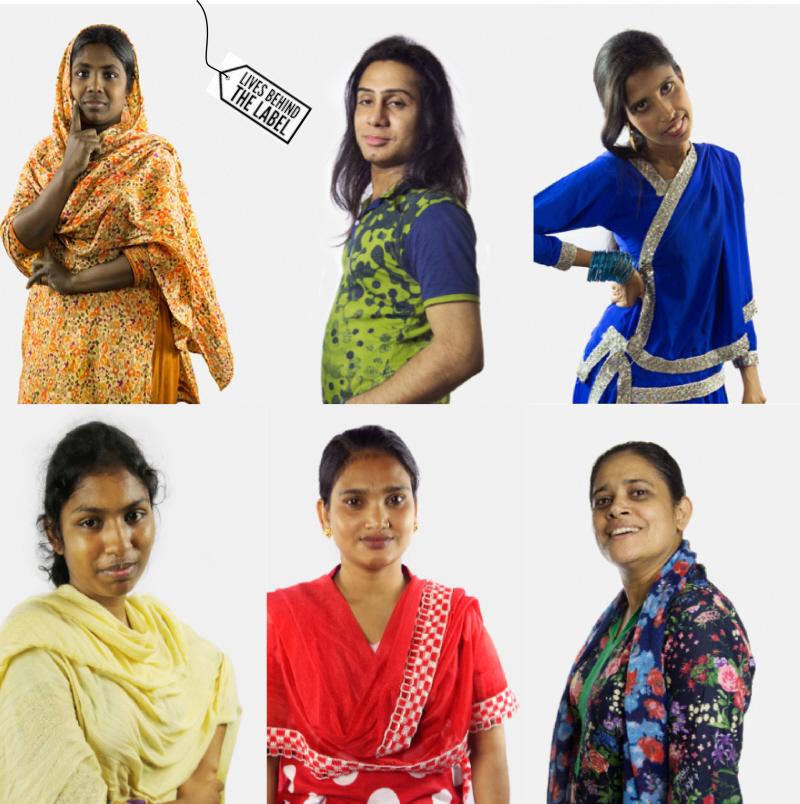
Fashion Revolution, in collaboration with On Our Radar and New Internationalist, have created an eye-opening exclusive web documentary: Lives Behind the Label. Through a series of six short films, the women of the Bangladesh garment …
I have been sharing my passion for refashion and ethical, sustainable style for quite some time and hope that I have been able to encourage others to step away from fast fashion and start creating …
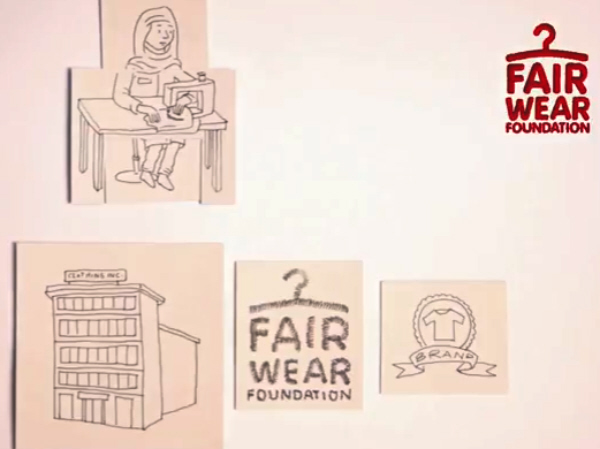
The Fair Wear Foundation is just one of the independent, non-profit organisations that works with companies and factories to improve labour conditions for garment workers. Unfortunately there’s no such thing as 100% ethically produced clothing but the Fair Wear …
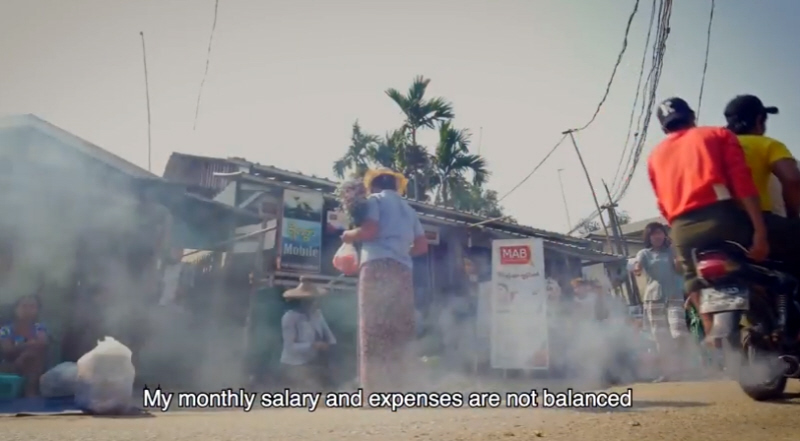
Although there are initiatives in Myanmar to improve working conditions, wages are among the lowest in the world. But just what is an average garment worker wage? Meet Thet Thet Zon, she has been working …
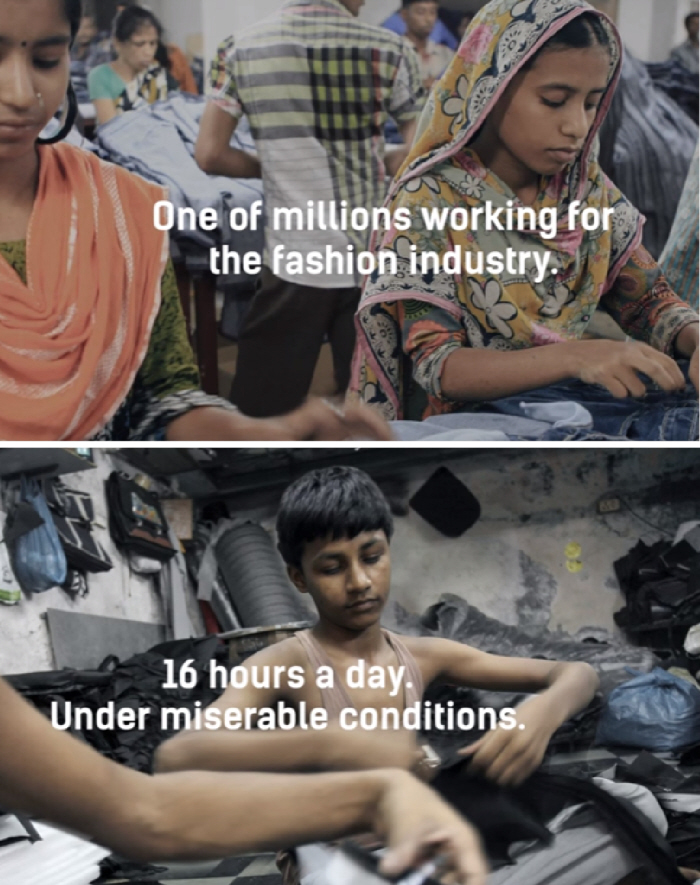
Why is it that what is commonplace and acceptable in the developing countries of the world is so unimaginable in our own society? Millions of children work in the garment industry textile supply chains worldwide …
The garment industry turns over almost $3 Trillion a year. Yet garment workers, 80% of them women, work for poverty pay, earning as little as $21 a month. Human rights abuses are systemic throughout the …